Why Are Natural Areas Important?
What are Natural Areas?
Natural areas are a key part of the Minneapolis Park and Recreation board’s mission:
The Minneapolis Park and Recreation Board permanently preserves, protects, maintains, improves, and enhances its natural resources, parkland, and recreational opportunities for current and future generations of our region including people, plants, and wildlife.
Nearly a quarter of the land (excluding open water) in Minneapolis parks (1,168 acres, or 23%) has been designated as Natural Areas by MPRB. Natural Areas are defined as “areas made up of native plant communities and areas planted with native plants.” They include everything from remnant natural communities identified by the Minnesota Department of Natural Resources to restored prairies and wetlands on previously cleared or developed land.
High-quality natural areas support healthy ecosystems—native plant communities organized in distinct patterns such as prairies, savannas, open woodlands, forests, and many types of wetlands. When they are healthy, ecosystems support a succession of flowers throughout the growing season—not just in spring or fall—providing a steady supply of nectar and pollen for pollinators, and seeds for birds and small mammals. In woodlands, a multi-aged canopy and an understory free of buckthorn allow enough light and space for the ground layer to support diverse herbaceous plants, rather than just bare soil or empty leaf litter. The sheer variety of plants in healthy ecosystems provides a wide array of edible and structural plant tissues—leaves, twigs, stems, wood, roots, tubers, and more—essential for the specific dietary and sheltering needs of insects, mammals, and birds.
Historically, the land that is now Minneapolis supported a diverse mosaic of prairie, wet meadow, marsh, savanna, open oak woodland, and pockets of forest. This general openness was shaped by centuries of Native American stewardship, including the frequent use of fire to maintain high productivity—supporting wildlife by promoting abundant flowering and fruiting.
Human stewardship has been a vital part of this landscape for thousands of years. Continuing that legacy is essential if we want natural areas we can truly be proud of.
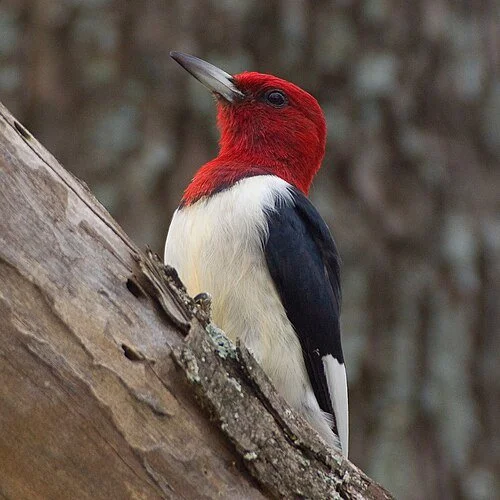
Once common in Minneapolis, redheaded woodpeckers no longer nest here. With oak savanna restoration, we can invite them back (photo by Dan Vickers)

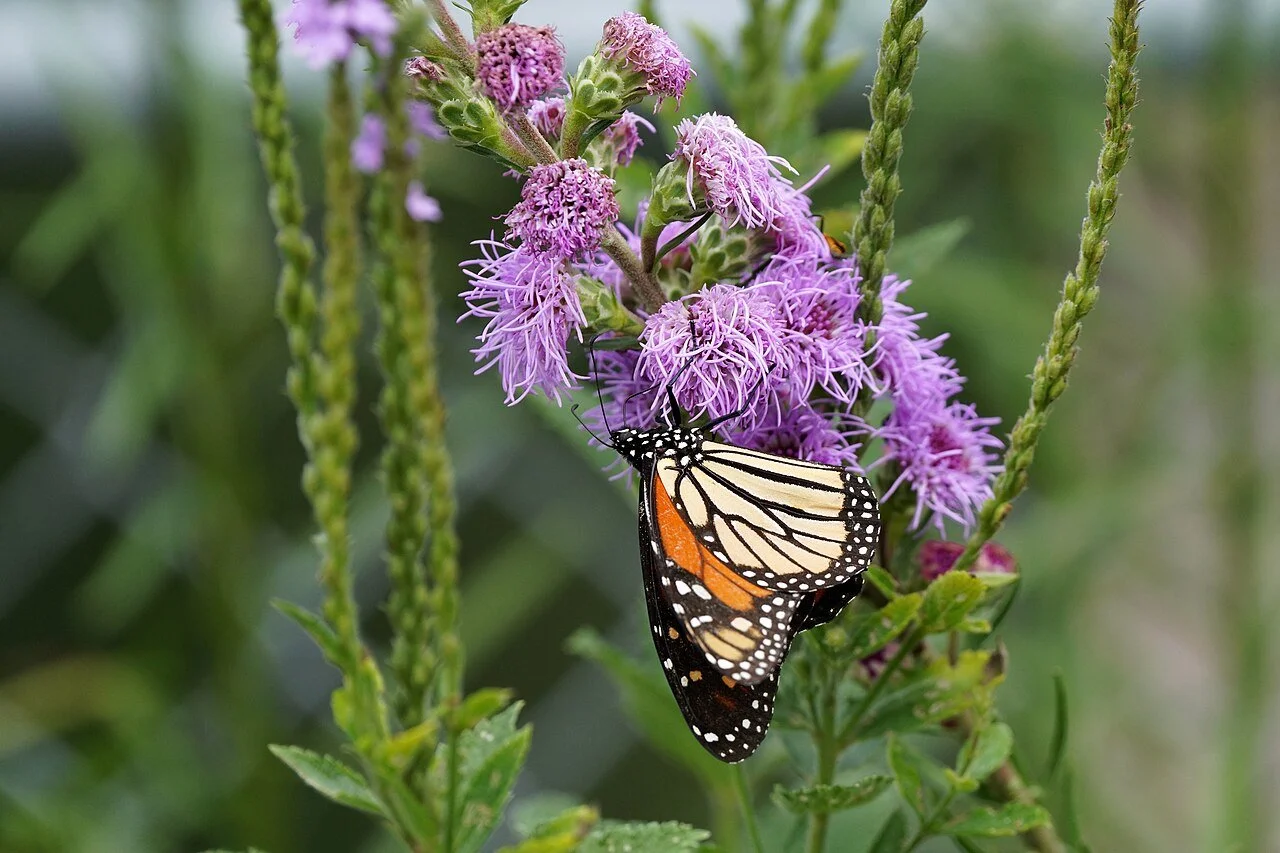
Monarchs have declined by 80% since the 1980’s due in part to loss of quality habitat
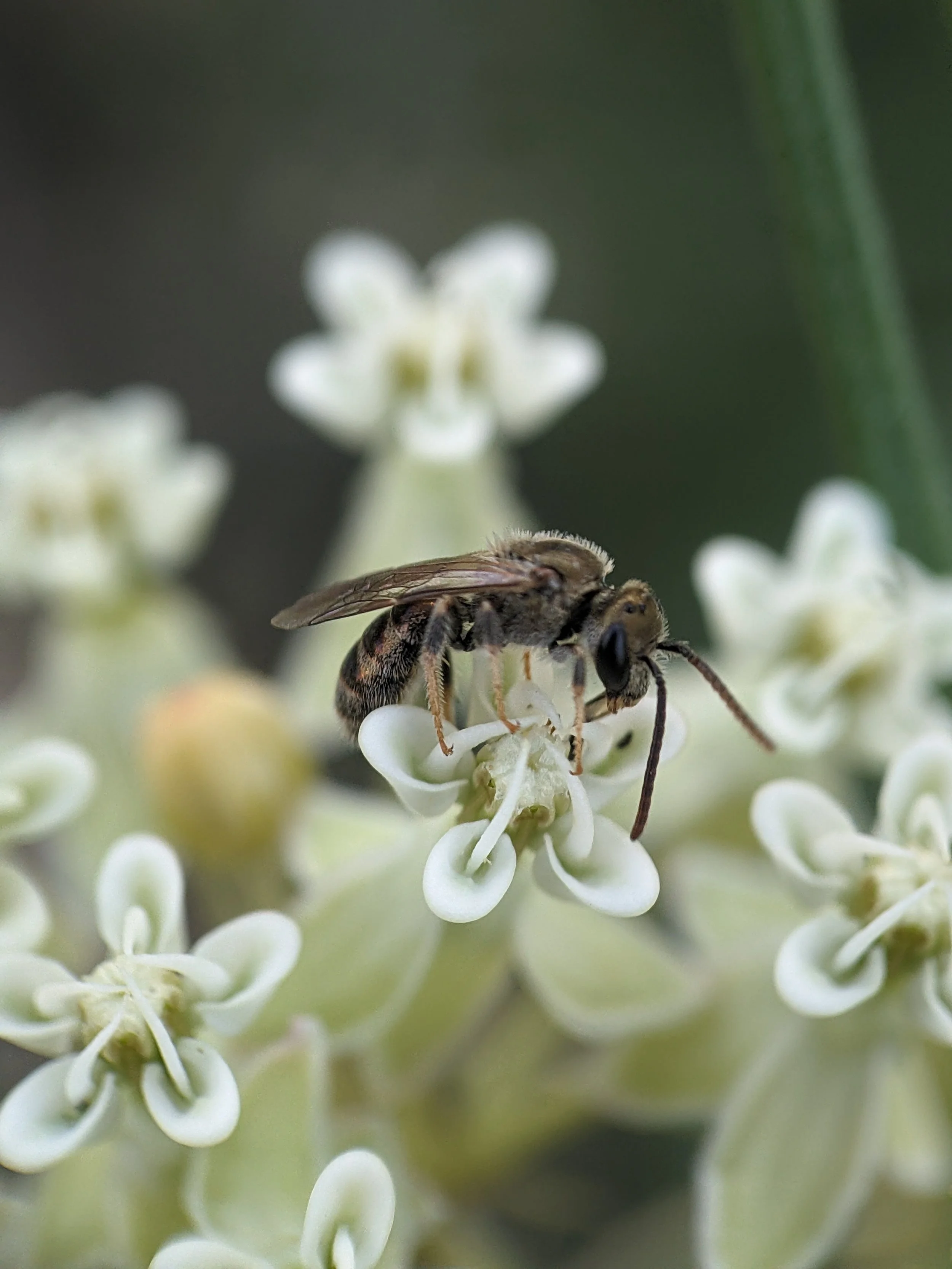
Native bees depend on native plants like this whorled milkweed.
What benefits do Natural Areas provide?
Natural areas are an essential part of our community’s health, identity, and resilience.
Natural infrastructure:
When they are healthy, natural areas function as living infrastructure. They sequester carbon, support biodiversity, reduce erosion, absorb and filter stormwater, and improve air quality. In doing so, they help the city adapt to climate change while reducing long-term maintenance and infrastructure costs.
Human flourishing:
Diverse and healthy natural areas provide beauty, complexity, and a sense of meaning. They invite curiosity and exploration—key drivers of learning, creativity, and mental well-being. In contrast, simplified, buckthorn-encroached, degraded landscapes can feel empty, monotonous, scary, unsafe or discouraging to spend time in.
Inherent value:
Wildlife has value far beyond human use. Birds, insects, mammals, amphibians, turtles, snakes and other species depend on intact habitats to survive and thrive. Healthy natural areas ensure that these species can flourish in the environment we share.
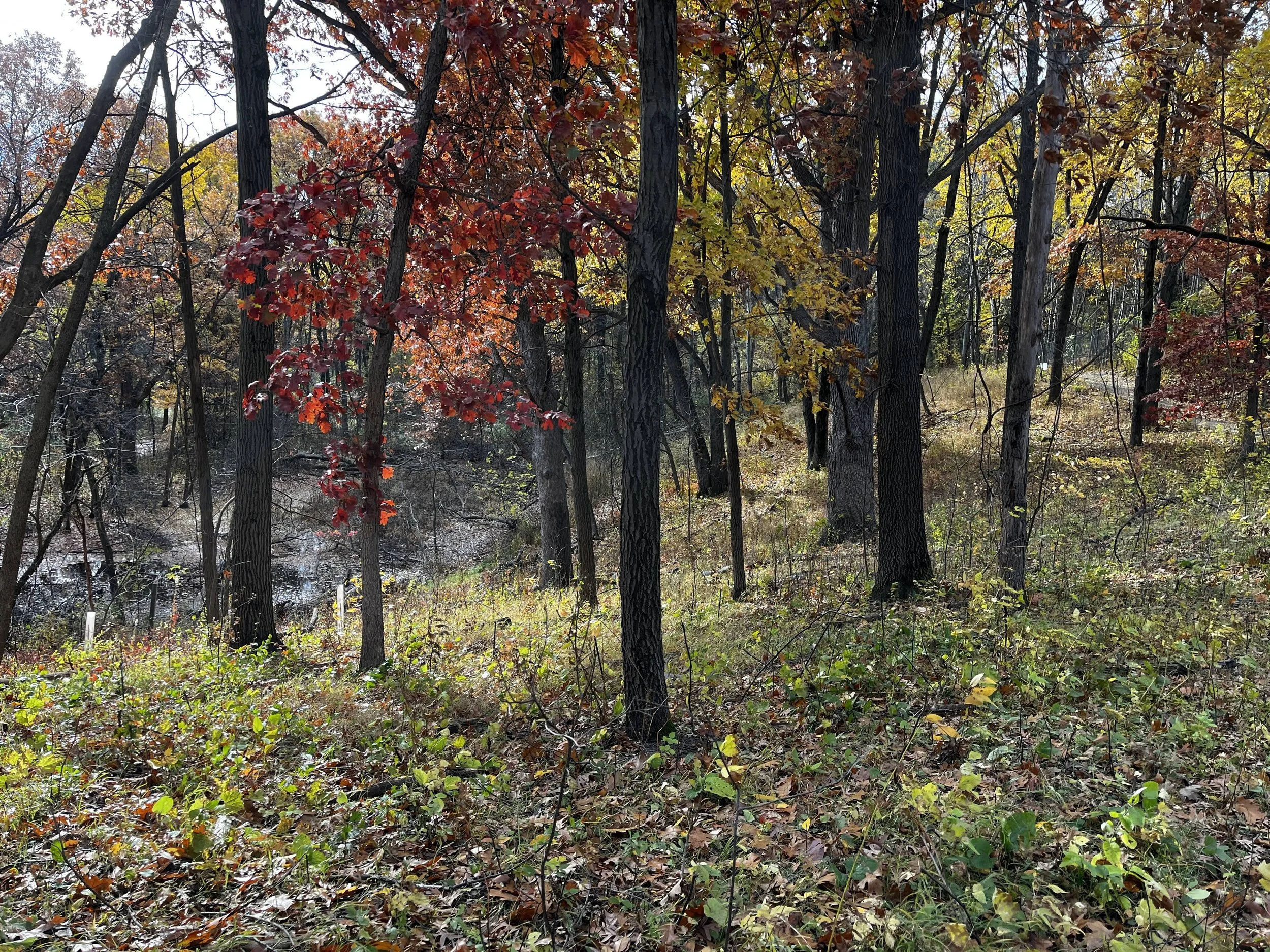
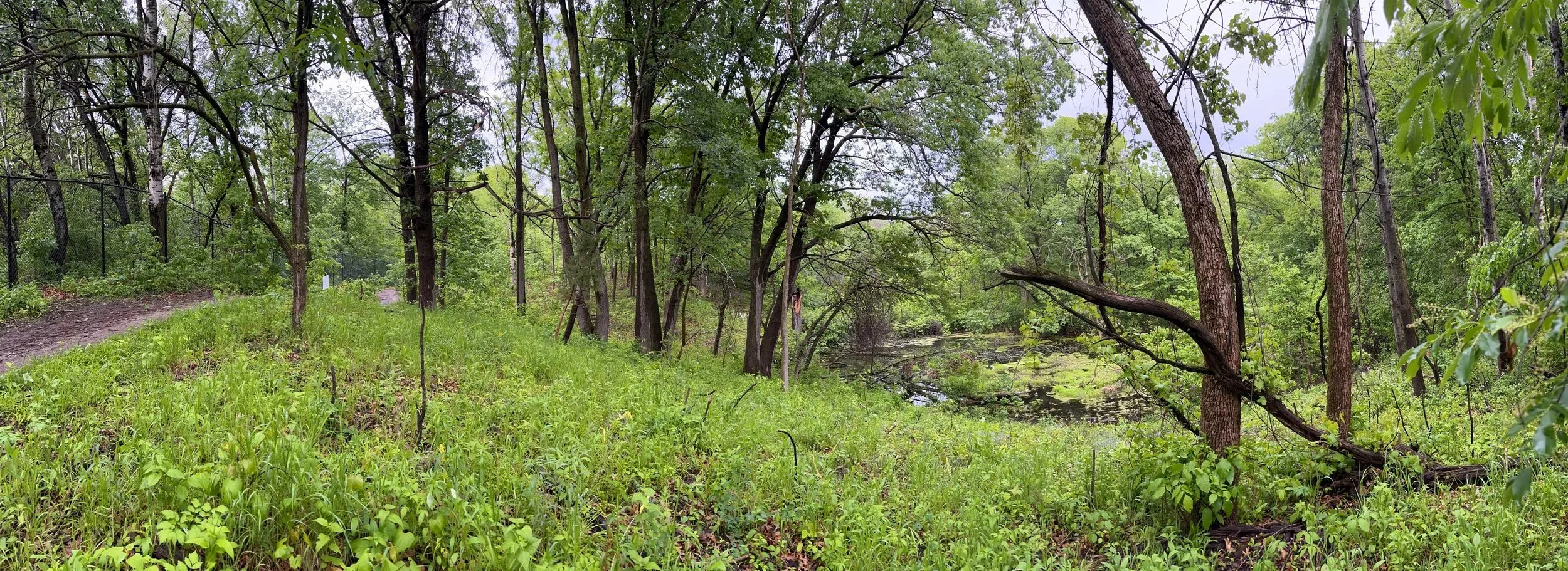
Oak woodland in Minneapolis after successfully removing invasive buckthorn and honeysuckle that choked the understory. A dense diverse herbaceous ground layer is just beginning to form.
Healthy natural areas touch on more core values and goals of the Park Board than any other category:
Youth: Natural areas offer unstructured learning experiences that are especially valuable for young people. They foster curiosity, independence, and a lifelong connection to the natural world—something increasingly rare in urban settings.
Climate: Natural areas help mitigate urban heat, store carbon, and buffer extreme weather. As climate impacts intensify, these landscapes are critical “green infrastructure” for the city’s long-term sustainability.
Equity: Access to high-quality natural spaces should not be limited to certain neighborhoods. Investing in natural areas across the city ensures that all residents, regardless of income or location, benefit from cleaner air, cooler temperatures, and meaningful outdoor experiences.
Biodiversity: Healthy natural areas support a widest range of native plants and animals. This biodiversity increases ecosystem resilience, helping natural systems recover from disturbances such as storms, pests, and climate stress.
Education: They serve as outdoor classrooms for all ages, supporting formal education, community science, and lifelong learning about ecology, climate, and stewardship.
Safety: Well-managed natural areas can improve safety by encouraging regular use, increasing visibility (by removing dense buckthorn thickets), and fostering a sense of shared stewardship. Engaged communities help deter misuse and create welcoming spaces for everyone.
Accessibility: Restoration along accessible trails will allow people of varying abilities to experience and enjoy richly-populated natural environments.
Water quality: Dense native ground-layer vegetation and healthy soils filter pollutants, reduce runoff, and protect lakes, rivers, and groundwater. This improves water quality while lowering the burden on engineered systems.
Erosion control: Deep-rooted native plants stabilize soil, especially on slopes and shorelines, reducing erosion and protecting infrastructure and habitats alike.
Recreation: Natural areas expand recreational opportunities beyond traditional park uses. They offer quieter, more immersive experiences such as birdwatching, walking, and seasonal exploration. This creates access for people looking for a variety of ways to enjoy the outdoors.
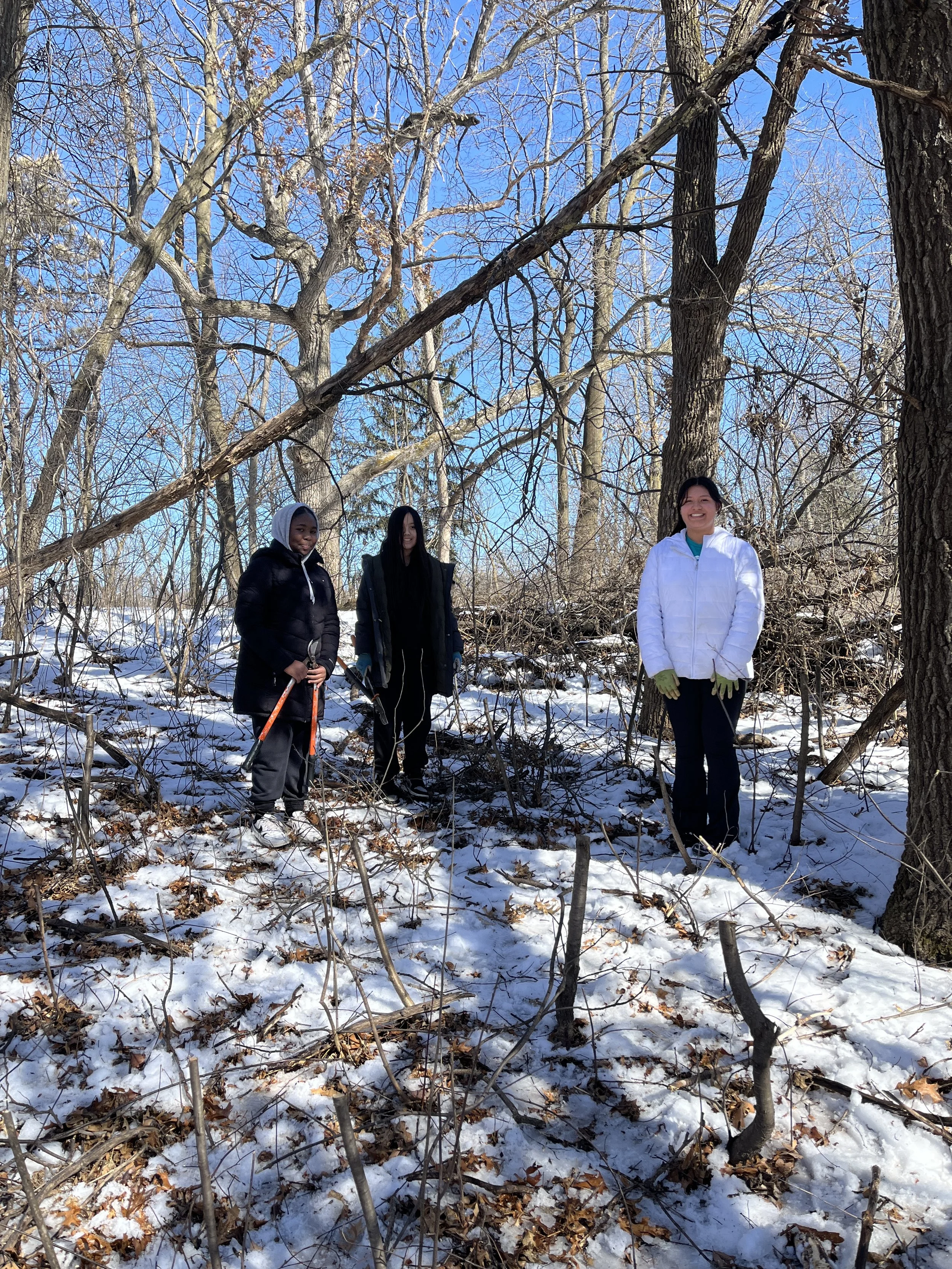
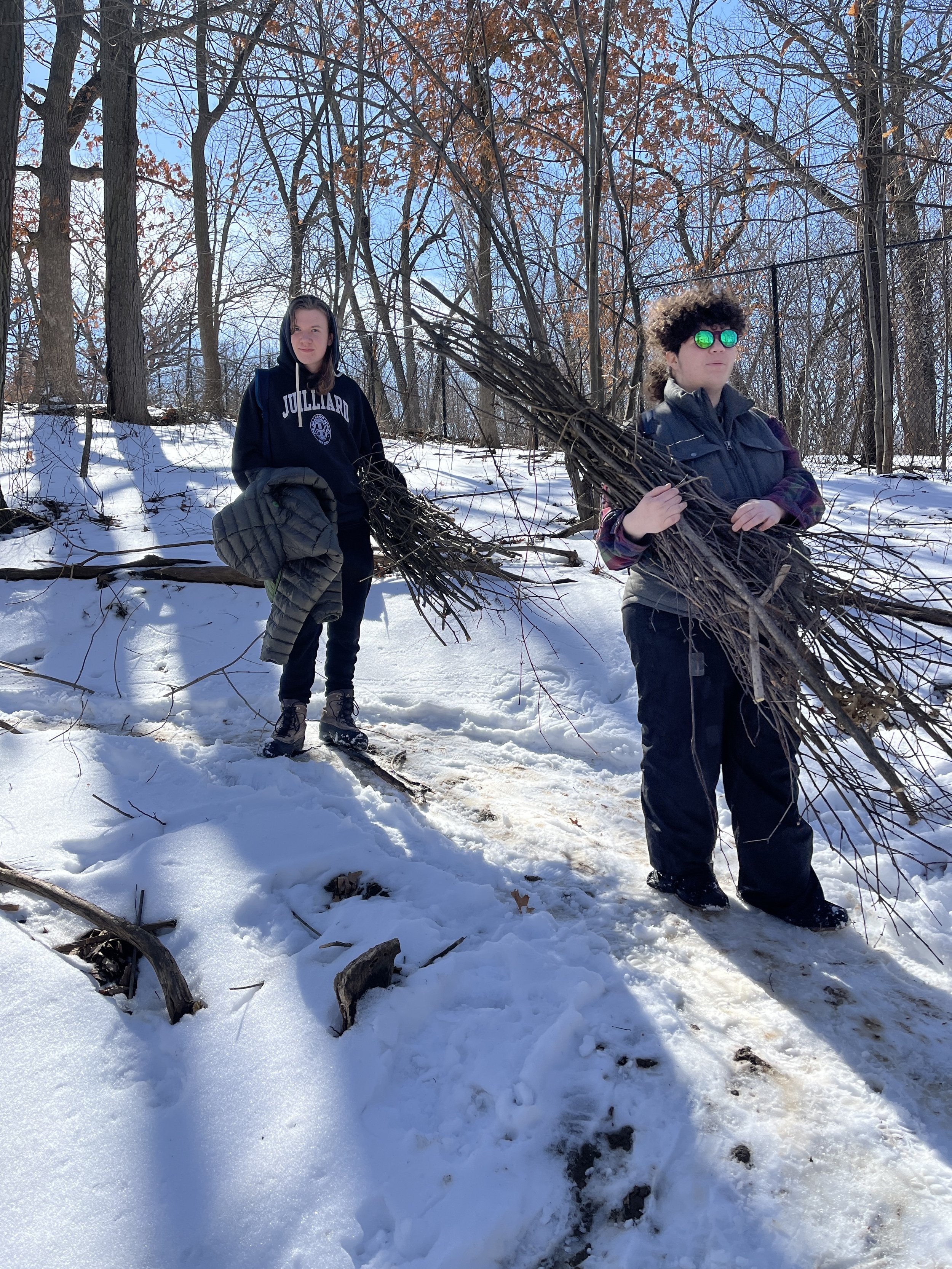
Green Team Youth cut buckthorn and make bundles for erosion control